A Label, Not a Guarantee: Interrogating ‘Full-Spectrum’ CBD in the UK
Photo: Evopure, CC BY-SA 2.0, via Wikimedia Commons
A phrase that does more work than it should
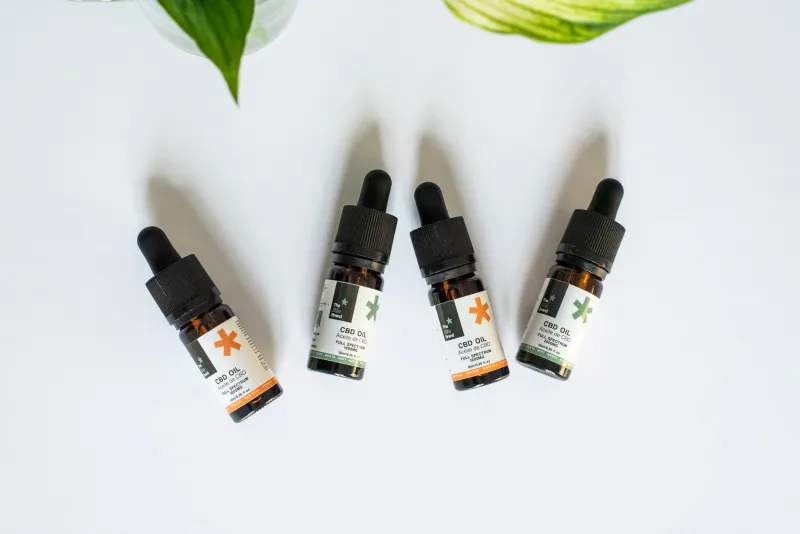
Walk through the CBD shelves of a UK retailer, physical or online, and you will meet a familiar vocabulary: ‘full-spectrum’, ‘broad-spectrum’, ‘whole-plant’ and, inevitably, ‘entourage effect’. The language is designed to suggest completeness. It implies that a product has been thoughtfully composed, that nothing important has been removed, and that the consumer is buying into a more sophisticated experience than a simple isolate.
That may be true in some cases. It may also be little more than a useful phrase on a label. As of 2026, the UK CBD market remains varied, and the terminology around plant compounds is not a reliable substitute for product-specific evidence. A cautious reader should treat ‘full-spectrum’ as a description to be interrogated, not a benefit to be assumed.
What the entourage effect actually refers to
The entourage effect is a hypothesis rather than a settled finding. In broad terms, it proposes that the effects of one plant compound may be influenced by the presence of others in the same extract. For CBD products, the idea is often used to suggest that trace cannabinoids, terpenes and other plant constituents might work together in a way that an isolated CBD product does not.
That is an interesting research question. It is not, however, a guarantee that any particular bottle delivers a meaningful or consistent version of it. Human evidence remains limited, and studies of one extract cannot simply be transferred to another. Product composition, processing, dose and individual response all vary. For UK consumers, the practical point is narrower: the phrase should prompt questions about what is in the product and how it has been characterised, not confidence that an outcome is assured.
Full, broad and isolate: useful shorthand, loose definitions
Three terms recur. A ‘full-spectrum’ product is generally presented as containing a wider range of compounds from the hemp plant, potentially including trace amounts of other cannabinoids. A ‘broad-spectrum’ product is often described as retaining a range of compounds while removing THC. An ‘isolate’ is typically CBD in a more purified form.
These are industry conventions, not a single statutory dictionary. One brand’s full-spectrum may differ materially from another’s. The presence of additional plant compounds is not automatically a virtue; it can add complexity and variability. Nor does a broader label tell you the amount of CBD per serving, the ratio of cannabinoids, or whether the batch has been tested. A product can be described as full-spectrum and still be a poor fit for a cautious routine if its labelling is vague or its batch documentation is missing.
Where UK labelling and novel foods rules fit
CBD extracts are treated as novel foods in the UK. That means products should be linked to an appropriate authorisation or appear on the relevant public list maintained by the Food Standards Agency. The position can change, and a brand’s status should be checked rather than assumed. A novel foods reference is not an endorsement of quality or efficacy; it is a regulatory checkpoint. It tells you that the product has been considered within a particular framework, not that it will suit you.
UK food labelling must also be accurate and not misleading. In practice, that means a label should be clear about what the product is, how much CBD it contains per serving, and how it should be stored. Any THC present must fall within legal limits and controlled drug rules. Vague claims about ‘balance’, ‘wellness’ or ‘plant synergy’ should be read carefully. CBD is not authorised as a medicine in the UK and should not be presented as a treatment for any condition.
The questions a cautious shopper can ask
A useful comparison begins with the label and moves to the batch record. First, what extract type is declared, and is the term defined anywhere in the product information? Second, what is the CBD content per serving rather than per bottle? Third, is there a batch-specific certificate of analysis, and does the batch number match the pack? Fourth, does the analysis report cannabinoid content and THC results, and is it recent enough to be meaningful? Fifth, is the product linked to a novel foods authorisation or public list entry? Finally, are excipients, flavourings and allergens clearly listed?
These questions do not require laboratory expertise. They require patience. A brand that cannot answer them plainly is asking for more trust than a cautious buyer should extend. A brand that can answer them is still not promising a personal outcome; it is simply being more transparent about what it sells.
Should the extra compounds earn a place in your routine?
For some readers, the honest answer is that the question is secondary. If you are using CBD as part of a simple relaxation routine, the basics matter more: a clear serving size, a product you can use consistently, a record of what you took and when, and a willingness to stop if it does not suit you. Additional plant compounds may be interesting, but they are not a shortcut around those fundamentals.
If you are considering a full-spectrum product, treat the decision as one of comparison rather than conversion. Ask whether the extra complexity is documented, whether the product’s CBD content is clear, and whether you understand the trace cannabinoid picture. If you take medication, are pregnant or breastfeeding, or have a health condition, speak to a pharmacist or clinician before introducing any CBD product. Keep the purchase modest until you know how the product fits your routine.
A closing checklist for 2026
Before buying, check the extract type and its definition; the CBD amount per serving; the batch-specific analysis; the THC statement; the novel foods reference; and the full ingredient list. After buying, store the product as directed, keep the batch details, and record your use for a short period rather than drawing conclusions from a single evening. The entourage effect may remain a phrase worth discussing, but it should not outrank clarity, consistency and compliance in a sensible UK CBD routine.