The Arithmetic of a Sensible CBD Purchase: UK Value per Serving in 2026

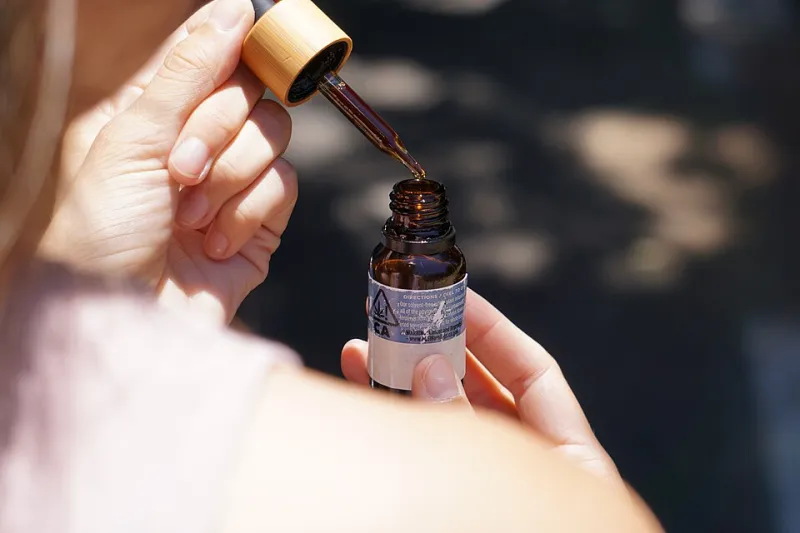
Photo: CBD bottle label with calculator and notebook cost per serving comparison, via down-ph.img.susercontent.com
The bottle is not the bargain
A large bottle can look like good value before any arithmetic has been done. The front label may emphasise millilitres, total milligrams or a striking strength figure, but none of those details alone tells a UK reader what a typical serving costs. A sensible buying decision begins with a quieter question: how many servings does the pack contain, and what is the cost of one of them?
This is not a argument for buying the cheapest product. It is an argument for comparing like with like. CBD products vary in format, concentration, serving size and labelling quality. A bottle that appears expensive may contain more servings than a smaller, cheaper-looking alternative. Equally, a high-strength product may offer poor value if the label is vague or if the serving count is difficult to establish. Cost-per-serving is a useful discipline because it forces the buyer to read the pack rather than the marketing.
Serving count: read the back, not the front
Start with the directions for use. A label should state a serving size, such as a number of drops, millilitres or capsules. From that, work out how many servings the pack contains. If a 10 ml oil bottle is labelled with 200 drops and the suggested serving is two drops, the pack contains roughly 100 servings. If another bottle is larger but the suggested serving is five drops, the serving count may be lower than expected.
Be careful with vague phrases such as “use as required” or “one to two servings daily” when no serving size is defined. Without a clear serving, cost-per-serving becomes guesswork. The same applies to products that list total CBD content but do not explain how much is in a single drop, capsule or portion. Clear labelling is not a luxury; it is the basis of any fair comparison.
Two calculations worth keeping
There are two simple sums that help a UK buyer compare products without being distracted by bottle size. The first is cost per serving: divide the purchase price by the number of servings stated or reasonably calculated from the label. The second is cost per milligram: divide the price by the total milligrams of CBD stated on the pack. The second figure is useful when comparing products of different strengths, but only if the total milligram figure is clear and the serving size is realistic.
Neither calculation tells you whether a product is right for you. They are financial tools, not health assessments. A product with a low cost per milligram may still be poorly labelled, inconvenient to use or unsuitable for your routine. A product with a higher cost per serving may offer clearer information, a format you prefer or a batch report you can check. Value is not the same as the lowest number on the calculator.
Higher potency is not automatically better value
It is tempting to assume that a stronger product must be better value because it contains more CBD per bottle. That assumption deserves scrutiny. A higher-strength product may cost more per serving, and it may encourage larger or more frequent servings than a reader intended. It can also make the pack last longer, which is a genuine advantage for some people, but only if the product is stored correctly and used within its shelf life.
Potency claims should be read alongside the batch report and the serving instructions. A strength figure on the front is only useful if it is supported by clear labelling on the back. UK readers should look for the total CBD content, the serving size, the batch code and a way to contact the seller. If those details are missing, a high-strength headline is not a reliable value signal. It is simply a number without context.
Batch reports and labelling as budget signals
A batch report, sometimes called a certificate of analysis, shows that a product has been tested for content and, where relevant, contaminants. It is not a guarantee that a product will suit every reader, and it should not be treated as a health claim. It is, however, a sign that the seller is prepared to be transparent about what is in the pack.
When comparing costs, include labelling quality in the calculation. A product with a clear batch code, ingredients list, storage advice and UK contact details is easier to assess than one with a glossy front and an empty back. If a seller cannot provide basic batch information, the apparent saving may not be worth the uncertainty. This is especially relevant for CBD oils, where strength and serving size can be difficult to compare across brands.
Hidden costs and practical value
The purchase price is not the only cost. Delivery charges, returns policies and the cost of replacing a product that has been stored badly all affect the real value of a purchase. A large bottle that arrives leaking is not a bargain. A product that requires refrigeration may be inconvenient if you travel often. A format that does not fit your routine may sit unused at the back of a cupboard.
For UK buyers, it is also worth checking whether the seller provides clear instructions and a sensible expiry date. A longer shelf life can be useful, but only if you will actually use the product within that period. Buying a very large pack to achieve a lower cost per milligram can be false economy if the product expires before it is finished. Modest packs may cost more per serving but waste less.
A simple comparison method
Before buying, write down four figures: the price, the total milligrams stated on the pack, the serving size and the number of servings you can reasonably expect. Then calculate cost per serving and cost per milligram. Add a note about labelling quality and whether a batch report is available. Compare two or three products using the same method rather than comparing one product’s bottle size with another product’s strength claim.
This method will not make every decision obvious. It will, however, remove some of the fog. A reader who knows the cost per serving is less likely to be swayed by a large bottle or a dramatic strength figure. In 2026, with more CBD products on the UK market than ever, that kind of arithmetic is a modest but useful form of consumer care. The aim is not to find the cheapest product, but to understand what you are paying for and whether the pack makes sense for your routine.