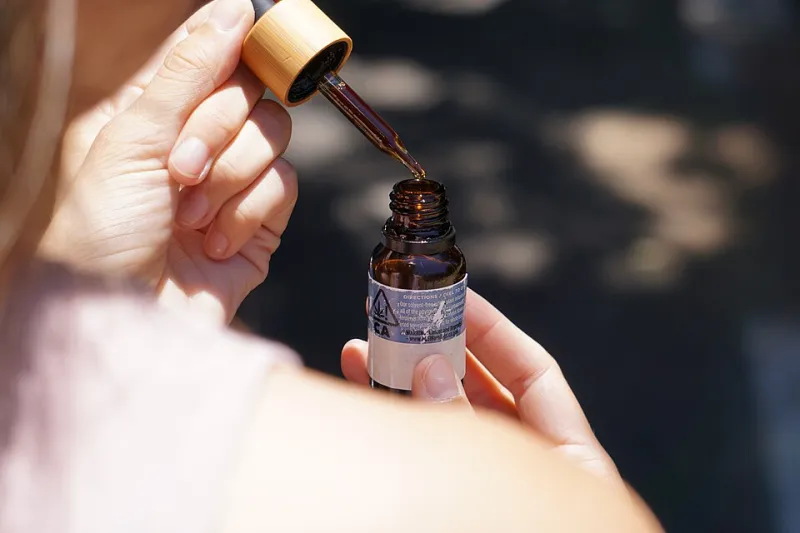
Keeping a One-Week CBD Record: A UK Template for Careful Observation

Photo: weekly wellness diary notebook pen printable habit tracker CBD product packaging UK table, via resortcourtyardbybeach.sanjuanprhotel.com
Why keep a short record?
A one-week CBD record is a simple way to bring a little structure to a new product or routine. It is not a medical test, and it cannot prove that a product caused a particular feeling. Its value is more modest: it helps you note what you used, when you used it and what you observed in plain language. Over several days, those notes may reveal patterns in timing, consistency or label clarity that are easy to miss in daily life.
For UK readers, this matters because CBD products are widely available and not always clearly labelled. A short diary encourages a cautious approach: read the label, measure carefully, record the batch and avoid changing too many things at once. It also gives you something concrete to discuss with a pharmacist or GP if you take medication or have questions about interactions.
Before you start
Choose one product to observe for the week. Note the product name, batch number and CBD content per serving. Read the label instructions and decide how you will measure each amount, whether in drops, millilitres, sprays or capsules. Keep the product in its original packaging and store it as directed.
Set realistic expectations. A one-week record is a short snapshot, not a trial. Do not use it to self-diagnose, to justify replacing prescribed medicine or to make strong claims about a product. If you are pregnant or breastfeeding, under 18, or taking medication, seek advice from a pharmacist or GP before using CBD. If you experience any adverse effect, stop and seek appropriate advice.
The seven-day template
Print this page or copy the table into a notebook. Use one row per day and keep entries brief but consistent.
| Day and date | Product and batch | Format | Amount used | Time | With or without food | Subjective notes | Anything else |
|---|---|---|---|---|---|---|---|
| Day 1 | |||||||
| Day 2 | |||||||
| Day 3 | |||||||
| Day 4 | |||||||
| Day 5 | |||||||
| Day 6 | |||||||
| Day 7 |
How to complete it
Record the actual amount used, not the amount you intended to use. If you miss a day, note it rather than filling the gap later from memory. Use the same units throughout the week so the entries can be compared. For subjective notes, use ordinary language such as relaxed, alert, tired, no noticeable change or uncertain. Avoid medical terms or diagnostic labels unless a clinician has already used them with you.
The final column can capture anything that may affect the context: a late night, travel, a stressful day, a change in routine or a missed meal. These notes are not proof of cause and effect, but they can help you review the week with more honesty. Keep the batch number visible, because products can change between batches.
What to look for at the end of the week
Read back through the diary and look for practical patterns rather than dramatic conclusions. Did you manage to measure consistently? Was the label easy to understand? Did the timing fit your routine? Did you find yourself unsure about the serving size? Did the product seem expensive per milligram of CBD? Did you notice any recurring observation that you want to discuss with a healthcare professional?
It is also useful to note whether the routine felt sustainable. A product that is inconvenient may lead to inconsistent use, which makes any record harder to interpret. A clear label and a simple measuring method are often more valuable than a long list of marketing claims.
Reviewing with a healthcare professional
If you take medication, have a health condition or are unsure whether a CBD product is appropriate for you, speak to a pharmacist or GP. Bring the diary and the product packaging with you. Do not use the diary to adjust prescribed medicines or to self-treat symptoms. A healthcare professional can discuss potential interactions and help you make an informed decision.
A final note on expectations
CBD is not a medicine, and a diary should not be framed as a way to prove that a product treats a condition. Its purpose is careful observation: what you used, how much, when and what you noticed. That modest habit supports responsible use, better label literacy and more realistic expectations. After the week, review the notes, keep the batch details and decide whether the format and routine are worth continuing.