The Rest of the Formula: A Cautious UK Checklist for CBD Excipients, Flavourings and Allergen Questions
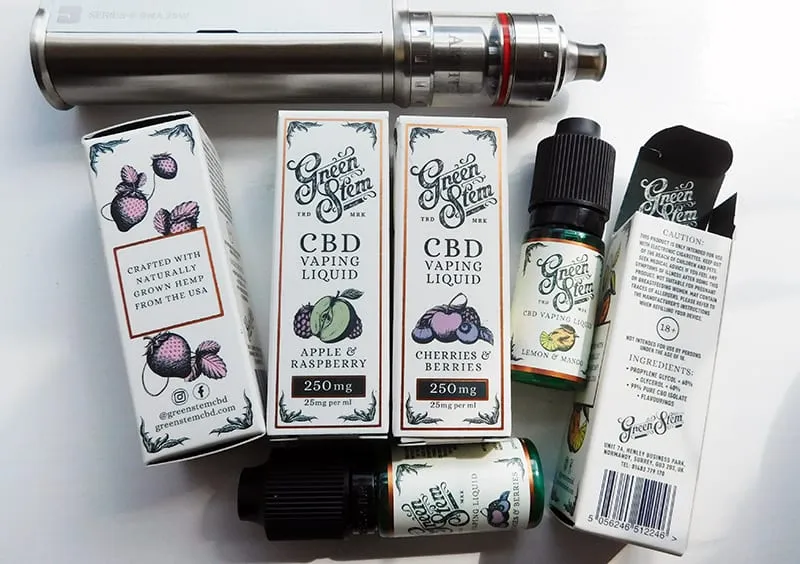
Photo: Ecig Click, CC BY-SA 2.0, via Wikimedia Commons
When UK shoppers pick up a CBD product, the first number many look for is the milligram figure on the front of the pack. That focus is understandable, but it can leave the rest of the formula in the background. A CBD oil, capsule, balm or gummy is not simply CBD. It also contains carrier oils, flavourings, sweeteners, thickeners, preservatives or other components that give the product its texture, shelf life and taste. For readers with allergies, sensitivities or simply a preference for knowing what they are using, those ingredients merit a second look.
As the UK CBD market continues to mature in 2026, the practical question is not whether every added ingredient is suspicious. It is whether the buyer has enough information to make a calm, informed choice. The word natural on a label does not automatically mean suitable for everyone, and a familiar food ingredient can still prompt an individual reaction. A cautious approach is therefore less about alarm and more about verification.
Why the Non-CBD Ingredients Deserve a Second Look
In any formulated product, ingredients beyond the active component have jobs to do. A carrier oil helps distribute CBD through a dropper or capsule. A flavouring may make a tincture more palatable. A sweetener or gummy base can change the taste and texture. None of these is inherently problematic, but each one adds a detail that may matter to a particular person.
For UK readers, the ingredient list is a useful starting point because it reflects what is actually in the bottle rather than what the front-of-pack marketing emphasises. If a product claims to be simple or minimalist, the list can help test that claim. If it is deliberately flavoured, the list may reveal the source of that flavour. The aim is not to diagnose or predict reactions, but to gather enough information to ask better questions before purchase.
Carrier Oils: Familiar Foods, Individual Responses
Carrier oils are among the most common non-CBD ingredients in oils and tinctures. MCT oil, typically derived from coconut or palm, is widely used because it is relatively neutral in taste and easy to measure. Hemp seed oil is another familiar option, though it should not be confused with CBD itself. Some products use olive oil, sunflower oil or a glycerin base.
A carrier oil that suits one person may not suit another. Someone with a known coconut allergy, for example, may wish to confirm the source and refinement of an MCT carrier rather than assume it is irrelevant. Readers with digestive sensitivities may also prefer to note the carrier oil and serving size, particularly when trying a product for the first time. This is not a reason to avoid all carrier oils; it is a reason to read the list and ask when something is unclear.
Flavourings, Sweeteners and the Natural Label
Flavourings are common in CBD drops, sprays and edible formats. They can range from simple fruit-derived components to more complex blends, essential oils or terpenes. Natural flavouring is a broad category, and it does not necessarily mean the product is free from allergens or suitable for every dietary preference. A fruity taste may come from a concentrated flavouring rather than the fruit named on the pack.
Sweeteners and gummy ingredients raise similar questions. Some readers avoid certain sweeteners for personal or digestive reasons. Others need to check whether a product contains animal-derived gelatin or other ingredients that affect their dietary choices. Again, the label is the place to begin. If the flavouring is listed only as a proprietary blend, a direct question to the brand or pharmacy team is reasonable.
Allergens and Cross-Contamination: What to Ask
UK food labelling rules identify a set of major allergens that must be declared when present in food products. CBD products are not all regulated in the same way, and formats vary, but the principle remains useful: if a product contains a flavouring, sweetener, capsule shell or carrier that may include a major allergen, the buyer should be able to find out. Shared production facilities can also create cross-contamination risks, even when an allergen is not an intentional ingredient.
This does not mean every CBD product carries a hidden risk. It means that readers with serious allergies should not rely on front-of-pack reassurance alone. Ask whether the product is made on a line that also handles nuts, sesame, milk, soy or gluten-containing ingredients, and ask how allergen controls are managed. A brand that cannot answer clearly may not be the most comfortable choice for a highly sensitive buyer.
Reading the Label Without Overreading It
A useful label check is straightforward. Look for the full ingredient list, the serving size, the batch number, the best-before date and any storage instructions. Check whether the carrier oil and flavouring are named specifically. If the product is a capsule or gummy, read the shell or base ingredients as well as the CBD content. Keep the packaging after opening so that you can refer back to it if needed.
It is also sensible not to treat one label as a permanent record. Formulations can change, and a product bought months apart may not be identical. If you are repurchasing, compare the new list with the old one. If you are trying a product for the first time, start with the manufacturer’s guidance and seek advice from a pharmacist or other healthcare professional if you have allergies, medical conditions or medication concerns.
Sensible Questions for Brands and Pharmacy Teams
A short, specific question is often more useful than a general request for reassurance. You might ask which carrier oil is used and whether it is refined. You might ask for the full composition of a flavouring or whether a product is suitable for someone avoiding coconut, gluten or animal-derived ingredients. You might ask whether allergen controls are applied across the production site. For topical products, a patch test on a small area of skin can be a reasonable precaution, following the product instructions.
At Pure100 CBD, the editorial position is cautious rather than prescriptive. CBD is not a medicine, and no ingredient list can guarantee an individual outcome. What a good label and a responsive brand can do is reduce guesswork. If a reaction occurs, stop using the product and seek appropriate advice, keeping the packaging and batch details to hand. The ingredient beyond CBD may be easy to overlook, but it is part of the purchase decision, and UK readers are entitled to ask about it plainly.