A Place on the List: Verifying CBD Novel Foods Status Before It Becomes Routine in the UK
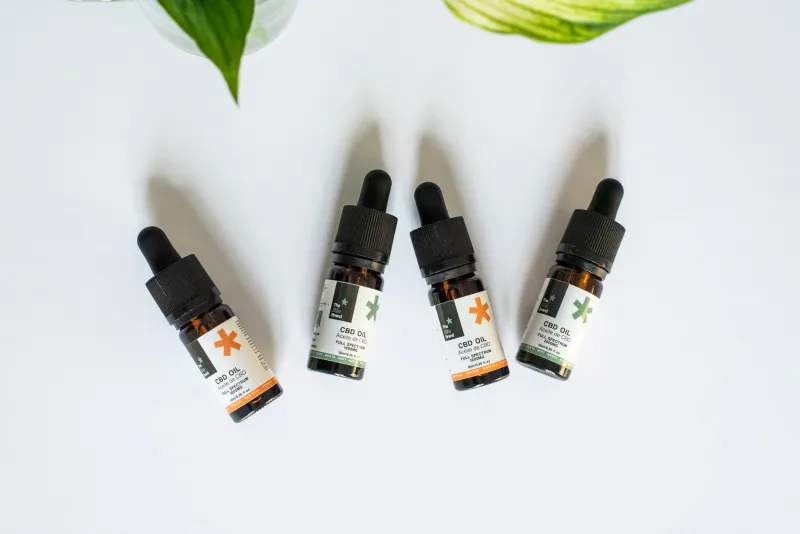
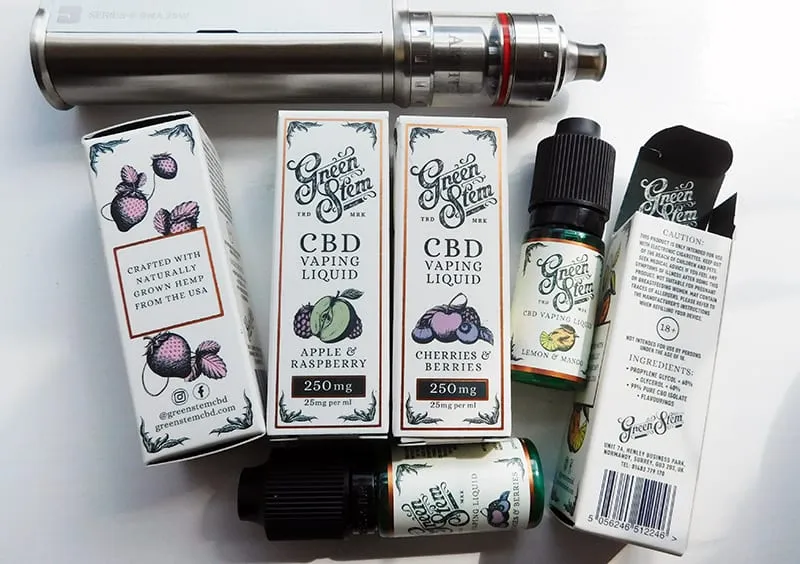
CBD shopping in the UK now asks more of the reader than a glance at the front of the pack. Alongside questions about strength, carrier oil, batch reports and allergens, there is an administrative question that deserves a place near the start of the process: does the product, and the business behind it, appear in the relevant official novel foods information? For UK readers building a cautious routine in 2026, that check is not a shortcut to a conclusion about suitability. It is a way of separating marketing language from a clearer public record.
At Pure100 CBD, we treat novel foods verification as part of label literacy. It sits beside the label, the batch documentation and the retailer’s answers. It does not replace any of them.
Why the register belongs before the routine
A CBD routine is usually built gradually: a product is chosen, a small amount is tried, a record is kept, and the pattern is reviewed. The novel foods check belongs before that pattern begins, because it concerns the regulatory position of the product rather than its effect on any individual.
In the UK, CBD extracts and certain CBD-containing products fall within the novel foods framework. The Food Standards Agency publishes information about novel foods applications and related lists. For a shopper, the practical value is straightforward: it provides an official reference point against which a brand’s own wording can be compared. That matters because phrases such as registered, approved, listed and authorised are sometimes used loosely in marketing. They are not interchangeable, and a shopper should not have to guess which one is meant.
This is also why the check should not be treated as a one-off ritual. Brands reformulate, rename products, retire stock keeping units and change the legal entity behind a label. A register entry that was relevant to one product last year may not describe the product in front of you today.
What an official entry can and cannot tell you
A public register or list can help confirm whether an application has been made, which business is associated with it, which product or category is described, and what stage the entry has reached. It can also help you spot inconsistencies between a brand’s claims and the public record.
It cannot tell you whether a particular CBD product is right for you. It is not a statement that a product is suitable for every reader, nor is it a substitute for advice from a pharmacist, GP or other qualified healthcare professional. It does not confirm that a specific batch meets your expectations, that the label is accurate, or that the product has been handled well in storage. Those are separate questions, answered by batch reports, label checks, retailer transparency and, where relevant, professional advice.
An entry should therefore be read as one piece of administrative context. It is useful, but it is not a complete consumer checklist.
A practical verification sequence
A calm sequence helps prevent a quick search from turning into a false sense of certainty.
-
Identify the exact product. Note the brand name, product name, CBD format, stated strength, pack size and the legal entity named on the label or website. A parent company name alone may not match the product you are buying.
-
Go to the official source. Use the Food Standards Agency’s published novel foods pages rather than relying on a search advert, an influencer’s screenshot or a retailer’s summary. Official pages change, so read the date on the information where one is given.
-
Search both brand and applicant. Try the trading name, the company name and any applicant name shown in the documentation. Some entries use a corporate name that differs from the shopfront brand.
-
Read the status wording carefully. Distinguish between an application being received, an entry being listed, a product being authorised, an application being withdrawn, and any other status language used. Do not translate listed into approved.
-
Match the formulation and format. A brand may have one entry that does not cover every oil, capsule, balm or edible it sells. Check whether the entry describes the same type of product and the same intended use category.
-
Cross-check the label and batch information. Confirm that the product name, strength and ingredients on the pack align with what you have found. If a batch report is available, read it as a separate document rather than treating it as proof of novel foods status.
-
Record what you found. A short note with the date, the official page consulted, the entry name and any uncertainty is enough. If you contact the brand, keep the reply with that note.
-
Pause if the picture is unclear. A cautious shopper does not need to resolve every ambiguity before making a decision. Sometimes the sensible decision is simply to wait or choose a product with a clearer public record.
Common gaps between marketing and the public record
Several patterns recur often enough to watch for. A brand may say it is registered when the public information describes an application rather than an authorisation. A website may show a certificate or QR code that leads to a document about a different product, a different strength or a different company. A parent business may hold an entry while the particular product line is not clearly described. Older marketing pages may remain online after a formulation has changed.
There is also the question of geography. The UK’s internal arrangements are not identical in every respect, and readers in Northern Ireland should check the relevant official guidance for their situation rather than assuming that a GB-facing page answers every question. A product sold in several countries may carry claims that refer to another market’s framework entirely.
These gaps are not automatically signs of bad faith. They are, however, reasons to slow down and ask a precise question: which legal entity, which product and which status are you relying on?
Label literacy still does the rest of the work
Novel foods verification is a narrow check. It does not tell you whether the carrier oil suits your preferences, whether the flavouring contains an allergen, whether the dropper is easy to use, or whether the stated CBD content is supported by a batch report. Those questions belong to label literacy and to the wider shopping checklist.
For that reason, the register should be consulted before the routine, not instead of the routine. A product can have a clear public record and still be a poor fit for a particular reader. Equally, a product can look appealing on the shelf and still leave unresolved questions about its regulatory paperwork.
A calm standard for 2026
The sensible UK approach is unglamorous: identify the product, check the official source, read the status wording, compare it with the label, and keep a note. If the brand’s language and the public record do not meet, ask for clarification in writing. If the answer is vague, treat that as useful information.
CBD wellness guidance should remain cautious, claim-free and practical. Checking novel foods status is one of the quieter steps in that process. It will not tell you how a product will suit your evening, but it can help you decide whether the product deserves a place in your routine at all.