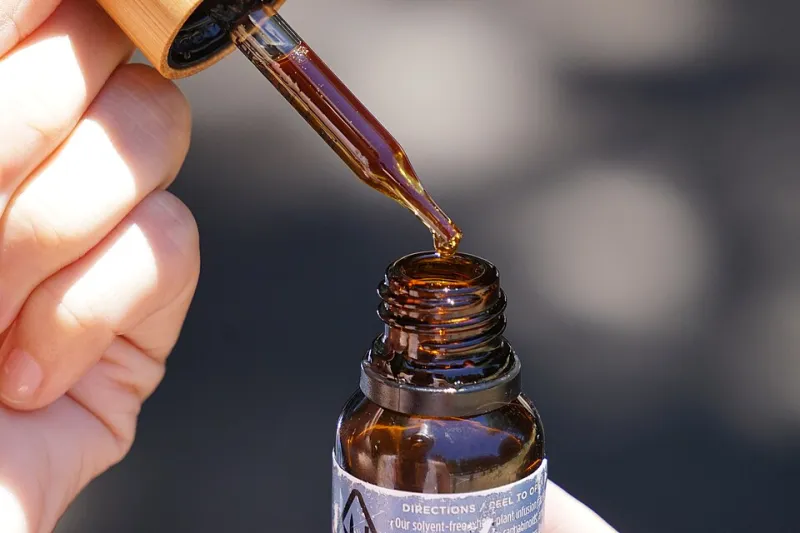
The Consultation Folder: A Cautious UK Guide to Discussing CBD With Pharmacy Teams in 2026
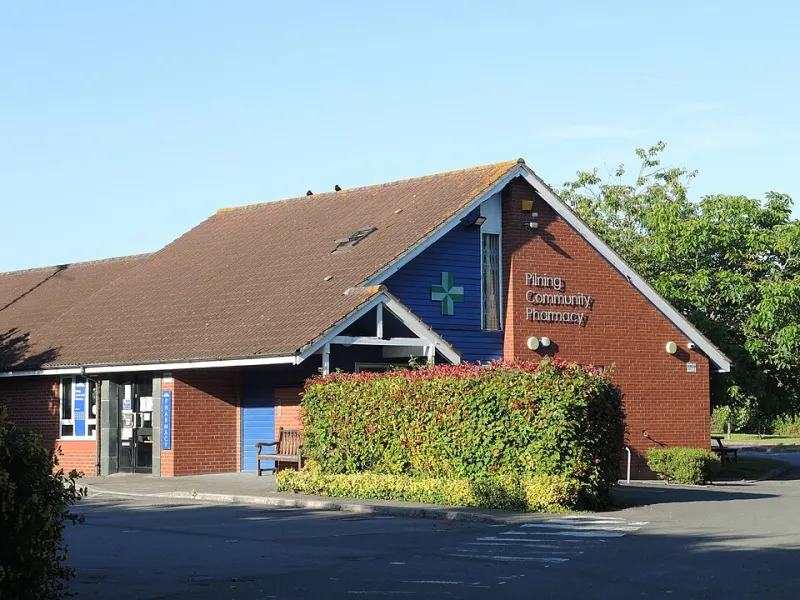
Photo: Neil Owen , CC BY-SA 2.0, via Wikimedia Commons
Most UK readers who use, or are considering, a consumer CBD product will not find a simple answer at the pharmacy counter. That is not a reason to avoid the conversation. It is a reason to prepare for it. In 2026, community pharmacy teams remain a sensible first point of contact for questions about medicines, but they are not a validation service for every wellness product on the market. A calm, specific conversation is more useful than a hopeful one.
Why the conversation is worth having
Consumer CBD products in the UK are generally sold as food supplements rather than licensed medicines. Their labelling, batch consistency and ingredient lists can vary. A pharmacist may not stock or recognise the brand you mention. They can still help you think about your existing prescriptions, known interaction risks, timing and the information that is missing from the label.
The aim is not to obtain approval for a product. The aim is to reduce avoidable uncertainty. A pharmacist can act as a second pair of eyes on your medicine list, but they cannot guarantee that an unlicensed wellness product is suitable for you. That distinction matters. A brief chat at the counter is information, not authorisation.
What to bring to the conversation
Arriving with a folder, or a clear list on your phone, makes the discussion more productive. Consider bringing:
- Your repeat prescription list, a recent prescription slip, or a printout from the NHS App.
- The CBD product label, including the batch number if one is shown.
- The product's ingredients list, carrier oil and stated CBD amount per serving.
- A short note of how much you use, how often, and at what time of day.
- A list of other supplements, herbal products or over-the-counter items you take.
- Any symptoms or changes you have noticed since starting CBD, if relevant.
- Two or three written questions, so the conversation does not drift.
If you have not started using CBD, say so plainly. It is easier to discuss a proposed product than to unpick a routine that has already become complicated.
The details that matter more than the brand name
A pharmacist is unlikely to be able to comment on every brand on the UK market. They can, however, work with the details on the label. Bring the stated CBD amount per millilitre, per drop, per capsule or per serving, as well as the total size of the bottle or pack. If the label says one dropper, note the millilitres and milligrams where available. If the product includes other cannabinoids, flavourings, sweeteners or a particular carrier oil, include those details too.
Your own record matters as much as the label. Note the serving you actually use, the frequency, the time of day and the date you started. Do not present a vague estimate as a precise dose. Accuracy is more useful than confidence.
A short question script
The following questions are deliberately modest. They invite information rather than permission.
- 'I use or am considering this CBD product. Could we review my current medicines together for any known interaction concerns?'
- 'Are there ingredients on this label that I should flag, such as carrier oils, flavourings or other plant extracts?'
- 'Is there a sensible way to record timing alongside my prescription schedule without changing any prescribed doses?'
- 'If you do not have product-specific information, what is the best route to ask my GP or a medicines information service?'
- 'What warning signs would mean I should stop and seek advice rather than wait?'
Avoid asking for a simple yes or no about whether CBD is safe for you. That framing invites false certainty. A better question is what is known, what is unknown, and what should be monitored.
What a pharmacist cannot do
A pharmacist cannot green-light an unlicensed CBD product, guarantee that it will not interact with your medicines, or validate a batch report on the spot. They also cannot tell you to stop a prescribed medicine, and they should not be asked to endorse a self-directed change to your treatment.
If a pharmacist advises caution or suggests that you speak to your GP, treat that as useful information rather than an obstacle. If they say they do not know the product, ask what they would want to know. If they raise a possible interaction, do not dismiss it because the product is sold as a wellness item.
After the conversation
Write down what was said, who you spoke to and the date. Keep that note with your product record. Do not alter prescribed medicines, skip doses or start a new routine on the strength of a brief pharmacy chat. If you decide to continue with CBD, keep the routine simple and review it over time rather than escalating quickly.
If you notice unusual symptoms, seek appropriate advice. Suspected adverse reactions to medicines or supplements can be reported through the UK Yellow Card scheme. This article is general information, not medical advice, and it is not a substitute for guidance from a pharmacist, GP or other qualified healthcare professional.
A folder, not a permission slip
The most useful outcome of a pharmacy conversation is often a clearer map of uncertainty. You may leave knowing which ingredients to watch, which questions to ask your GP, or why a product is not worth pursuing. At Pure100 CBD, the cautious position is simple: prepare properly, ask plainly, record honestly and do not confuse a conversation with clinical clearance.