What’s Still on the Shelf? A Careful Home Review of CBD Storage and Expiry
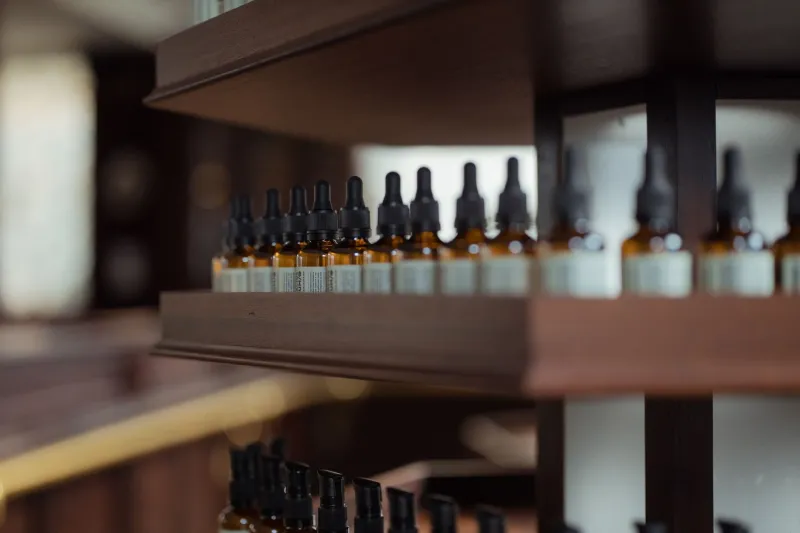
Most UK households have a small collection of half-used wellness products — a bottle of oil at the back of a cupboard, a tub of capsules in a drawer, a topical product that seemed like a good idea at the time. CBD is no exception. In 2026, the market remains crowded, and it is easy to buy more than you use. A shelf-life audit is not a way to stretch an old bottle or to squeeze extra value from a product whose label has faded. It is a household routine for making calmer, more defensible decisions about what to keep, what to replace and what to dispose of responsibly.
Begin with a simple inventory
Set aside ten minutes and gather every CBD product you own. Keep the original packaging wherever possible, because the carton often carries batch information, storage instructions and contact details that the bottle itself may omit. Note the product type, the date you opened it, any expiry or best-before date, the batch code and where it has been stored. A written list is more reliable than memory. If two people in the house use different products, label them clearly so that nothing is confused.
This is also the moment to ask a basic question: why is the product still there? If it was bought for a specific routine and never fitted into it, that is useful information. An audit should not become an excuse to keep using something simply because it was expensive.
Light, heat and humidity are practical variables
The storage advice on most CBD products is modest and familiar: keep cool, keep dry, avoid direct sunlight and follow the label. Those points matter because light, heat and moisture can affect the product over time. A bathroom cabinet may seem convenient, but it can be a humid environment. A kitchen shelf near a hob or radiator may be warm. A windowsill is best avoided. None of this proves that a product has deteriorated, but it does make careful storage easier to justify.
Do not decant oils into unlabelled bottles, and do not freeze products unless the manufacturer specifically says so. Condensation and repeated temperature changes are not helpful. Keep everything out of reach of children and pets, and store products away from food preparation areas where cross-contamination or confusion is possible.
Dates, batch codes and the limits of reassurance
An expiry date is not a guarantee of freshness. It is usually the manufacturer’s expectation of how long the product should remain within its intended specification when stored as directed. A batch code is a traceability tool: it can help a retailer or manufacturer identify a product if there is a recall or a quality query. Neither item can tell you whether the contents are still potent, whether they have remained free from contamination, or whether they are suitable for you now.
If the label is missing, illegible or inconsistent, treat that as a warning sign rather than a minor inconvenience. If a product has passed its date, has been opened for a long time, or has been stored somewhere clearly unsuitable, replacement is the more cautious choice. Do not increase the amount used to compensate for an older product, and do not use an old product for a new purpose.
When replacement is the sensible option
Replace rather than rely on an older product when the expiry date has passed, when the batch code cannot be identified, when the packaging has been compromised, or when the smell, colour or consistency has changed. A product that looks or smells unusual should not be tasted to test it. If you have any doubt, stop using it.
This is particularly important if you were considering CBD for a health-related reason. CBD products sold in the UK are not licensed medicines, and a product page cannot tell you whether CBD is appropriate for your circumstances. If you are taking prescription medication, are pregnant or breastfeeding, are under 18, or have an ongoing health condition, speak to a pharmacist or GP before using CBD. A fresh product does not remove the need for that conversation.
Disposal without cutting corners
Disposal deserves the same care as storage. Do not pour unused oils down the sink or toilet, and do not place contaminated packaging in household recycling without checking local guidance. Follow your council’s arrangements for household waste and ask a pharmacist for advice where relevant, especially if the product was prescribed or supplied through a pharmacy. Keep unused products sealed and away from children and pets until they are dealt with. When in doubt, contact your local council’s waste service rather than improvising.
A short audit routine
A quarterly check is enough for most households. List the products, confirm the dates, note the batch codes and review where each item is stored. Decide plainly: keep, replace or dispose. Then put the remaining products back in a cool, dry place, ideally in their original packaging. Avoid buying in bulk unless you have a clear routine and a realistic sense of how quickly you will use the product.
The aim is not to create anxiety about every bottle on the shelf. It is to bring the same ordinary care to CBD that you would apply to any wellness product: read the label, store it sensibly, respect the date and replace it when the evidence is no longer there. That is a modest standard, but it is a useful one.