Packing CBD for a UK Weekend: A Measured Travel Checklist for 2026
Begin with a modest aim
A weekend away is not the moment to redesign your CBD routine. The useful goal is continuity: taking a familiar product in a tidy, labelled form, with enough for the trip and no more than you can reasonably account for. This Pure100 packing list is deliberately unglamorous. It treats CBD as one small item among many, not as a portable dispensary.
In the UK, CBD products are generally sold as food supplements or cosmetic items rather than medicines. That distinction matters when packing. Sensible travel planning begins with the label, the original container and the manufacturer’s storage instructions. If you take prescribed medication, have a medical condition or are unsure whether a product is appropriate for you, speak to a pharmacist or doctor before making changes. This article is general guidance, not medical advice.
The original container earns its place
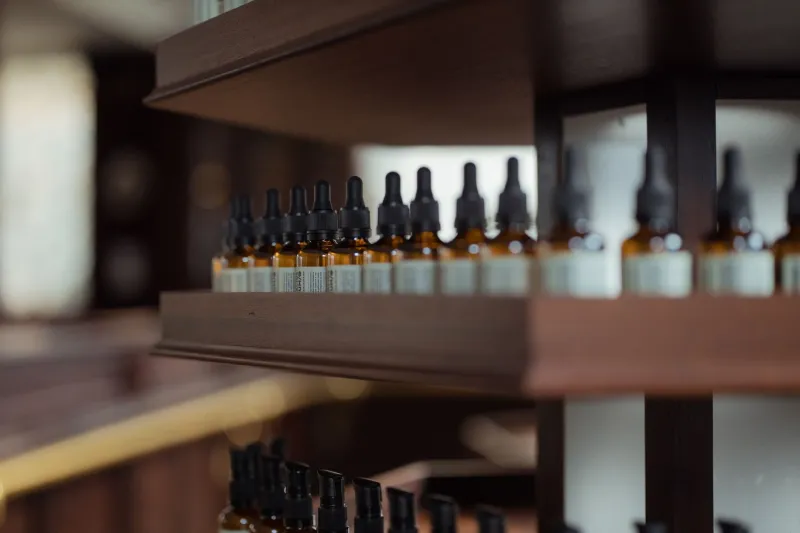
Decanting CBD oil into an unlabelled bottle may save a little space, but it removes the information that matters most. The original container should carry the product name, batch code, ingredients, directions and UK contact details. A photograph of the label is a useful backup, but it is not a substitute for the pack itself. If you are asked about the product at accommodation or on transport, a clear original label is far easier to explain than a mystery tincture in a travel bottle.
Check the closure before packing. Wipe the neck of an oil bottle, replace the cap firmly and give it a gentle shake over a sink to see whether anything escapes. For balms or creams, make sure the lid is secure and the product is not pressing against other items. If you are travelling by air within the UK, remember that liquids are subject to security rules; keep bottles within the permitted size and inside the appropriate bag. For train, coach or car journeys, the main concerns are heat, pressure and leakage rather than security screening.
Temperature, leakage and the humble zip bag
CBD oils and balms can be affected by heat and direct sunlight. A weekend bag left in a warm car or beside a radiator is not a good home for them. Read the manufacturer’s storage advice and follow it. Do not freeze a product unless the label specifically says so, and do not leave it on a sunny windowsill once you arrive.
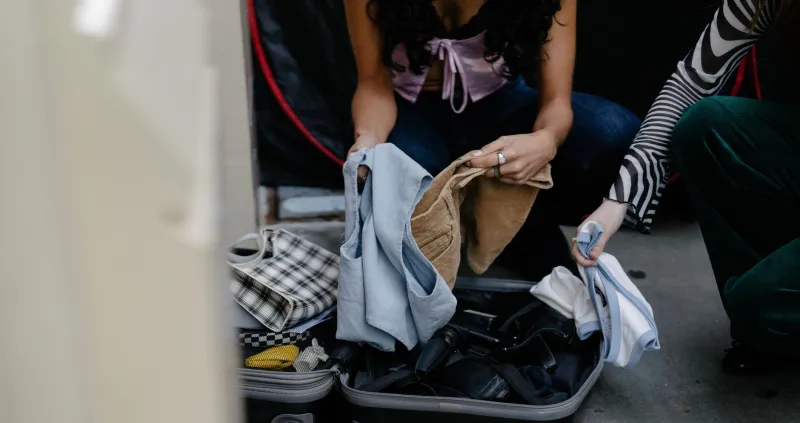
Pack the product upright where possible. A small, resealable zip bag adds a second layer of protection and contains any leakage. Place the bag in a part of your luggage where it will not be crushed by shoes or toiletries. If you are taking capsules, keep them dry and away from damp bathroom surfaces. A simple rule is to treat the product as you would any other labelled supplement: cool, dry, out of reach of children and pets, and not left loose in a hot vehicle.
Quantity: enough for the trip, not a mobile stockroom
Estimate your usual serving per day and multiply by the number of days away. Add a small margin for delays, but resist the urge to take a large bottle for a two-night stay. A smaller pack is easier to store, less likely to leak and simpler to keep track of. It also avoids the awkward situation of returning home with a product that has been warmed, shaken and handled unnecessarily.
Take only what you can account for. If you share a house or hotel room, keep the product with your own belongings rather than in a communal bathroom. If children or pets will be present, place it out of reach. A short note on your phone — product name, batch code and the serving you normally use — can be helpful if you need to check the label later, though it should not replace the original packaging.
Check policies before the suitcase
Accommodation providers vary. Some may have rules about supplements or restricted items; others may simply ask that products are stored safely. A polite email before arrival is better than an assumption. The same applies to venues, festivals, spas and retreats. If you are staying in self-catering accommodation, check whether there are any house rules about storing food supplements in shared kitchens.
For travel within the UK, check the relevant transport operator’s conditions if you are unsure. Do not conceal a product in a way that makes a routine question more complicated. A calm explanation, supported by the original label, is usually the simplest approach. If a policy is unclear, ask. If the answer is no, leave the product at home. A weekend away does not require a debate at the reception desk.
A simple packing sequence
- Read the label and confirm the product is the one you normally use.
- Choose a small pack rather than the largest bottle on the shelf.
- Check the cap, seal and expiry date.
- Place the original container upright inside a resealable bag.
- Pack it away from heat, sunlight and heavy items.
- Keep a note of the batch code and storage instructions.
This sequence takes a few minutes and prevents most of the usual problems. It also makes the return journey easier, because you know exactly what you took and how it was stored.
Arrival and return
On arrival, put the product somewhere cool and dry, following the label. Keep to your normal routine rather than adding extra servings because the trip feels different. At the end of the weekend, check the container for leaks and return any unused product to its usual storage place. If the product has been exposed to heat or has changed appearance, do not use it; check the manufacturer’s guidance or dispose of it sensibly.
When to leave it at home
There are times when the cautious choice is simply not to pack CBD at all. If you are unsure about a venue’s policy, if the trip is very short, if the product needs refrigeration, or if you are crossing an international border rather than staying within the UK, leaving it at home may be the least complicated option. A travel kit should reduce friction, not create it. For a UK weekend away in 2026, the best packing list is one that keeps the product labelled, contained, modest in quantity and easy to explain.